

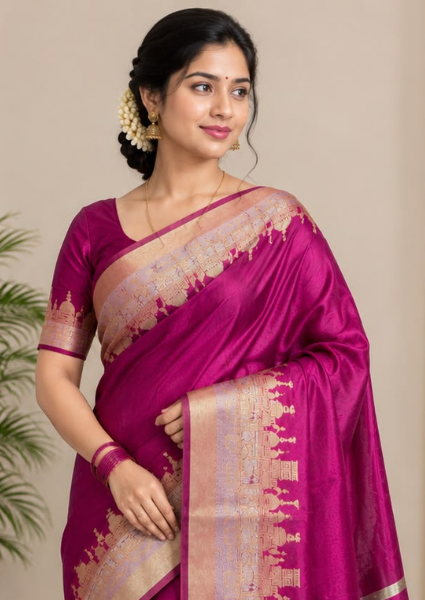
Banarasi Sarees
Banarasi Saree is among the finest traditional garments of India and is admired for its luxurious silk, intricate zari work, and royal appearance. The weaving tradition of Varanasi has been preserved for centuries by skilled artisans whose craftsmanship gives every saree a unique identity.
A genuine Banarasi Saree is more than a fashion product. It represents history, culture, and handmade excellence. Families often preserve these sarees for generations because their beauty and emotional value increase over time.
When buying a Banarasi Saree, buyers should evaluate the weaving quality, silk texture, zari finish, weight, design, and authenticity. Purchasing from trusted sellers helps avoid machine-made imitations and supports traditional weavers.
Modern Banarasi Sarees are available in bridal, festive, office, and designer collections. Lightweight options are comfortable for long events, while heavy zari sarees remain the first choice for weddings and grand celebrations.
Popular weaving styles include Katan Silk, Organza, Georgette, Tissue Silk, and Raw Silk. Floral motifs, paisley patterns, jangla work, meenakari, and butidar designs continue to define the elegance of Banarasi weaving.
Proper maintenance keeps a Banarasi Saree beautiful for many years. Dry cleaning, careful folding, cotton wrapping, and avoiding direct sunlight help preserve the silk fibres and metallic zari.
From traditional ceremonies to contemporary fashion shows, Banarasi Sarees continue to evolve without losing their heritage. Designers now combine classic weaving with modern colour palettes and blouse styles.
Choosing the right colour depends on the occasion. Red, maroon, and gold are popular for weddings, while pastel shades and soft metallic tones suit receptions, parties, and festive gatherings.
History of Banarasi Saree
Banarasi Saree is among the finest traditional garments of India and is admired for its luxurious silk, intricate zari work, and royal appearance. The weaving tradition of Varanasi has been preserved for centuries by skilled artisans whose craftsmanship gives every saree a unique identity.
A genuine Banarasi Saree is more than a fashion product. It represents history, culture, and handmade excellence. Families often preserve these sarees for generations because their beauty and emotional value increase over time.
When buying a Banarasi Saree, buyers should evaluate the weaving quality, silk texture, zari finish, weight, design, and authenticity. Purchasing from trusted sellers helps avoid machine-made imitations and supports traditional weavers.
Modern Banarasi Sarees are available in bridal, festive, office, and designer collections. Lightweight options are comfortable for long events, while heavy zari sarees remain the first choice for weddings and grand celebrations.
Popular weaving styles include Katan Silk, Organza, Georgette, Tissue Silk, and Raw Silk. Floral motifs, paisley patterns, jangla work, meenakari, and butidar designs continue to define the elegance of Banarasi weaving.
Proper maintenance keeps a Banarasi Saree beautiful for many years. Dry cleaning, careful folding, cotton wrapping, and avoiding direct sunlight help preserve the silk fibres and metallic zari.
From traditional ceremonies to contemporary fashion shows, Banarasi Sarees continue to evolve without losing their heritage. Designers now combine classic weaving with modern colour palettes and blouse styles.
Choosing the right colour depends on the occasion. Red, maroon, and gold are popular for weddings, while pastel shades and soft metallic tones suit receptions, parties, and festive gatherings.
Banarasi Saree is among the finest traditional garments of India and is admired for its luxurious silk, intricate zari work, and royal appearance. The weaving tradition of Varanasi has been preserved for centuries by skilled artisans whose craftsmanship gives every saree a unique identity.
A genuine Banarasi Saree is more than a fashion product. It represents history, culture, and handmade excellence. Families often preserve these sarees for generations because their beauty and emotional value increase over time.
Importance in Indian Culture
Banarasi Saree is among the finest traditional garments of India and is admired for its luxurious silk, intricate zari work, and royal appearance. The weaving tradition of Varanasi has been preserved for centuries by skilled artisans whose craftsmanship gives every saree a unique identity.
A genuine Banarasi Saree is more than a fashion product. It represents history, culture, and handmade excellence. Families often preserve these sarees for generations because their beauty and emotional value increase over time.
When buying a Banarasi Saree, buyers should evaluate the weaving quality, silk texture, zari finish, weight, design, and authenticity. Purchasing from trusted sellers helps avoid machine-made imitations and supports traditional weavers.
Modern Banarasi Sarees are available in bridal, festive, office, and designer collections. Lightweight options are comfortable for long events, while heavy zari sarees remain the first choice for weddings and grand celebrations.
Popular weaving styles include Katan Silk, Organza, Georgette, Tissue Silk, and Raw Silk. Floral motifs, paisley patterns, jangla work, meenakari, and butidar designs continue to define the elegance of Banarasi weaving.
Proper maintenance keeps a Banarasi Saree beautiful for many years. Dry cleaning, careful folding, cotton wrapping, and avoiding direct sunlight help preserve the silk fibres and metallic zari.
From traditional ceremonies to contemporary fashion shows, Banarasi Sarees continue to evolve without losing their heritage. Designers now combine classic weaving with modern colour palettes and blouse styles.
Choosing the right colour depends on the occasion. Red, maroon, and gold are popular for weddings, while pastel shades and soft metallic tones suit receptions, parties, and festive gatherings.
Why Banarasi Sarees are Famous
Banarasi Saree is among the finest traditional garments of India and is admired for its luxurious silk, intricate zari work, and royal appearance. The weaving tradition of Varanasi has been preserved for centuries by skilled artisans whose craftsmanship gives every saree a unique identity.
A genuine Banarasi Saree is more than a fashion product. It represents history, culture, and handmade excellence. Families often preserve these sarees for generations because their beauty and emotional value increase over time.
When buying a Banarasi Saree, buyers should evaluate the weaving quality, silk texture, zari finish, weight, design, and authenticity. Purchasing from trusted sellers helps avoid machine-made imitations and supports traditional weavers.
Modern Banarasi Sarees are available in bridal, festive, office, and designer collections. Lightweight options are comfortable for long events, while heavy zari sarees remain the first choice for weddings and grand celebrations.
Popular weaving styles include Katan Silk, Organza, Georgette, Tissue Silk, and Raw Silk. Floral motifs, paisley patterns, jangla work, meenakari, and butidar designs continue to define the elegance of Banarasi weaving.
Proper maintenance keeps a Banarasi Saree beautiful for many years. Dry cleaning, careful folding, cotton wrapping, and avoiding direct sunlight help preserve the silk fibres and metallic zari.
From traditional ceremonies to contemporary fashion shows, Banarasi Sarees continue to evolve without losing their heritage. Designers now combine classic weaving with modern colour palettes and blouse styles.
Choosing the right colour depends on the occasion. Red, maroon, and gold are popular for weddings, while pastel shades and soft metallic tones suit receptions, parties, and festive gatherings.
Types of Banarasi Sarees
Banarasi Saree is among the finest traditional garments of India and is admired for its luxurious silk, intricate zari work, and royal appearance. The weaving tradition of Varanasi has been preserved for centuries by skilled artisans whose craftsmanship gives every saree a unique identity.
A genuine Banarasi Saree is more than a fashion product. It represents history, culture, and handmade excellence. Families often preserve these sarees for generations because their beauty and emotional value increase over time.
When buying a Banarasi Saree, buyers should evaluate the weaving quality, silk texture, zari finish, weight, design, and authenticity. Purchasing from trusted sellers helps avoid machine-made imitations and supports traditional weavers.
Modern Banarasi Sarees are available in bridal, festive, office, and designer collections. Lightweight options are comfortable for long events, while heavy zari sarees remain the first choice for weddings and grand celebrations.
Popular weaving styles include Katan Silk, Organza, Georgette, Tissue Silk, and Raw Silk. Floral motifs, paisley patterns, jangla work, meenakari, and butidar designs continue to define the elegance of Banarasi weaving.
Proper maintenance keeps a Banarasi Saree beautiful for many years. Dry cleaning, careful folding, cotton wrapping, and avoiding direct sunlight help preserve the silk fibres and metallic zari.
From traditional ceremonies to contemporary fashion shows, Banarasi Sarees continue to evolve without losing their heritage. Designers now combine classic weaving with modern colour palettes and blouse styles.
Choosing the right colour depends on the occasion. Red, maroon, and gold are popular for weddings, while pastel shades and soft metallic tones suit receptions, parties, and festive gatherings.
Banarasi Saree is among the finest traditional garments of India and is admired for its luxurious silk, intricate zari work, and royal appearance. The weaving tradition of Varanasi has been preserved for centuries by skilled artisans whose craftsmanship gives every saree a unique identity.
A genuine Banarasi Saree is more than a fashion product. It represents history, culture, and handmade excellence. Families often preserve these sarees for generations because their beauty and emotional value increase over time.
When buying a Banarasi Saree, buyers should evaluate the weaving quality, silk texture, zari finish, weight, design, and authenticity. Purchasing from trusted sellers helps avoid machine-made imitations and supports traditional weavers.
Modern Banarasi Sarees are available in bridal, festive, office, and designer collections. Lightweight options are comfortable for long events, while heavy zari sarees remain the first choice for weddings and grand celebrations.
Popular Fabrics
Banarasi Saree is among the finest traditional garments of India and is admired for its luxurious silk, intricate zari work, and royal appearance. The weaving tradition of Varanasi has been preserved for centuries by skilled artisans whose craftsmanship gives every saree a unique identity.
A genuine Banarasi Saree is more than a fashion product. It represents history, culture, and handmade excellence. Families often preserve these sarees for generations because their beauty and emotional value increase over time.
When buying a Banarasi Saree, buyers should evaluate the weaving quality, silk texture, zari finish, weight, design, and authenticity. Purchasing from trusted sellers helps avoid machine-made imitations and supports traditional weavers.
Modern Banarasi Sarees are available in bridal, festive, office, and designer collections. Lightweight options are comfortable for long events, while heavy zari sarees remain the first choice for weddings and grand celebrations.
Popular weaving styles include Katan Silk, Organza, Georgette, Tissue Silk, and Raw Silk. Floral motifs, paisley patterns, jangla work, meenakari, and butidar designs continue to define the elegance of Banarasi weaving.
Proper maintenance keeps a Banarasi Saree beautiful for many years. Dry cleaning, careful folding, cotton wrapping, and avoiding direct sunlight help preserve the silk fibres and metallic zari.
From traditional ceremonies to contemporary fashion shows, Banarasi Sarees continue to evolve without losing their heritage. Designers now combine classic weaving with modern colour palettes and blouse styles.
Choosing the right colour depends on the occasion. Red, maroon, and gold are popular for weddings, while pastel shades and soft metallic tones suit receptions, parties, and festive gatherings.
Designs and Motifs
Banarasi Saree is among the finest traditional garments of India and is admired for its luxurious silk, intricate zari work, and royal appearance. The weaving tradition of Varanasi has been preserved for centuries by skilled artisans whose craftsmanship gives every saree a unique identity.
A genuine Banarasi Saree is more than a fashion product. It represents history, culture, and handmade excellence. Families often preserve these sarees for generations because their beauty and emotional value increase over time.
When buying a Banarasi Saree, buyers should evaluate the weaving quality, silk texture, zari finish, weight, design, and authenticity. Purchasing from trusted sellers helps avoid machine-made imitations and supports traditional weavers.
Modern Banarasi Sarees are available in bridal, festive, office, and designer collections. Lightweight options are comfortable for long events, while heavy zari sarees remain the first choice for weddings and grand celebrations.
Popular weaving styles include Katan Silk, Organza, Georgette, Tissue Silk, and Raw Silk. Floral motifs, paisley patterns, jangla work, meenakari, and butidar designs continue to define the elegance of Banarasi weaving.
Proper maintenance keeps a Banarasi Saree beautiful for many years. Dry cleaning, careful folding, cotton wrapping, and avoiding direct sunlight help preserve the silk fibres and metallic zari.
From traditional ceremonies to contemporary fashion shows, Banarasi Sarees continue to evolve without losing their heritage. Designers now combine classic weaving with modern colour palettes and blouse styles.
Choosing the right colour depends on the occasion. Red, maroon, and gold are popular for weddings, while pastel shades and soft metallic tones suit receptions, parties, and festive gatherings.
Banarasi Saree is among the finest traditional garments of India and is admired for its luxurious silk, intricate zari work, and royal appearance. The weaving tradition of Varanasi has been preserved for centuries by skilled artisans whose craftsmanship gives every saree a unique identity.
A genuine Banarasi Saree is more than a fashion product. It represents history, culture, and handmade excellence. Families often preserve these sarees for generations because their beauty and emotional value increase over time.
How Banarasi Sarees are Made
Banarasi Saree is among the finest traditional garments of India and is admired for its luxurious silk, intricate zari work, and royal appearance. The weaving tradition of Varanasi has been preserved for centuries by skilled artisans whose craftsmanship gives every saree a unique identity.
A genuine Banarasi Saree is more than a fashion product. It represents history, culture, and handmade excellence. Families often preserve these sarees for generations because their beauty and emotional value increase over time.
When buying a Banarasi Saree, buyers should evaluate the weaving quality, silk texture, zari finish, weight, design, and authenticity. Purchasing from trusted sellers helps avoid machine-made imitations and supports traditional weavers.
Modern Banarasi Sarees are available in bridal, festive, office, and designer collections. Lightweight options are comfortable for long events, while heavy zari sarees remain the first choice for weddings and grand celebrations.
Popular weaving styles include Katan Silk, Organza, Georgette, Tissue Silk, and Raw Silk. Floral motifs, paisley patterns, jangla work, meenakari, and butidar designs continue to define the elegance of Banarasi weaving.
Proper maintenance keeps a Banarasi Saree beautiful for many years. Dry cleaning, careful folding, cotton wrapping, and avoiding direct sunlight help preserve the silk fibres and metallic zari.
From traditional ceremonies to contemporary fashion shows, Banarasi Sarees continue to evolve without losing their heritage. Designers now combine classic weaving with modern colour palettes and blouse styles.
Choosing the right colour depends on the occasion. Red, maroon, and gold are popular for weddings, while pastel shades and soft metallic tones suit receptions, parties, and festive gatherings.
Banarasi Saree is among the finest traditional garments of India and is admired for its luxurious silk, intricate zari work, and royal appearance. The weaving tradition of Varanasi has been preserved for centuries by skilled artisans whose craftsmanship gives every saree a unique identity.
A genuine Banarasi Saree is more than a fashion product. It represents history, culture, and handmade excellence. Families often preserve these sarees for generations because their beauty and emotional value increase over time.
Buying Guide
Banarasi Saree is among the finest traditional garments of India and is admired for its luxurious silk, intricate zari work, and royal appearance. The weaving tradition of Varanasi has been preserved for centuries by skilled artisans whose craftsmanship gives every saree a unique identity.
A genuine Banarasi Saree is more than a fashion product. It represents history, culture, and handmade excellence. Families often preserve these sarees for generations because their beauty and emotional value increase over time.
When buying a Banarasi Saree, buyers should evaluate the weaving quality, silk texture, zari finish, weight, design, and authenticity. Purchasing from trusted sellers helps avoid machine-made imitations and supports traditional weavers.
Modern Banarasi Sarees are available in bridal, festive, office, and designer collections. Lightweight options are comfortable for long events, while heavy zari sarees remain the first choice for weddings and grand celebrations.
Popular weaving styles include Katan Silk, Organza, Georgette, Tissue Silk, and Raw Silk. Floral motifs, paisley patterns, jangla work, meenakari, and butidar designs continue to define the elegance of Banarasi weaving.
Proper maintenance keeps a Banarasi Saree beautiful for many years. Dry cleaning, careful folding, cotton wrapping, and avoiding direct sunlight help preserve the silk fibres and metallic zari.
From traditional ceremonies to contemporary fashion shows, Banarasi Sarees continue to evolve without losing their heritage. Designers now combine classic weaving with modern colour palettes and blouse styles.
Choosing the right colour depends on the occasion. Red, maroon, and gold are popular for weddings, while pastel shades and soft metallic tones suit receptions, parties, and festive gatherings.
Banarasi Saree is among the finest traditional garments of India and is admired for its luxurious silk, intricate zari work, and royal appearance. The weaving tradition of Varanasi has been preserved for centuries by skilled artisans whose craftsmanship gives every saree a unique identity.
A genuine Banarasi Saree is more than a fashion product. It represents history, culture, and handmade excellence. Families often preserve these sarees for generations because their beauty and emotional value increase over time.
When buying a Banarasi Saree, buyers should evaluate the weaving quality, silk texture, zari finish, weight, design, and authenticity. Purchasing from trusted sellers helps avoid machine-made imitations and supports traditional weavers.
Modern Banarasi Sarees are available in bridal, festive, office, and designer collections. Lightweight options are comfortable for long events, while heavy zari sarees remain the first choice for weddings and grand celebrations.
How to Identify an Original Banarasi Saree
Banarasi Saree is among the finest traditional garments of India and is admired for its luxurious silk, intricate zari work, and royal appearance. The weaving tradition of Varanasi has been preserved for centuries by skilled artisans whose craftsmanship gives every saree a unique identity.
A genuine Banarasi Saree is more than a fashion product. It represents history, culture, and handmade excellence. Families often preserve these sarees for generations because their beauty and emotional value increase over time.
When buying a Banarasi Saree, buyers should evaluate the weaving quality, silk texture, zari finish, weight, design, and authenticity. Purchasing from trusted sellers helps avoid machine-made imitations and supports traditional weavers.
Modern Banarasi Sarees are available in bridal, festive, office, and designer collections. Lightweight options are comfortable for long events, while heavy zari sarees remain the first choice for weddings and grand celebrations.
Popular weaving styles include Katan Silk, Organza, Georgette, Tissue Silk, and Raw Silk. Floral motifs, paisley patterns, jangla work, meenakari, and butidar designs continue to define the elegance of Banarasi weaving.
Proper maintenance keeps a Banarasi Saree beautiful for many years. Dry cleaning, careful folding, cotton wrapping, and avoiding direct sunlight help preserve the silk fibres and metallic zari.
From traditional ceremonies to contemporary fashion shows, Banarasi Sarees continue to evolve without losing their heritage. Designers now combine classic weaving with modern colour palettes and blouse styles.
Choosing the right colour depends on the occasion. Red, maroon, and gold are popular for weddings, while pastel shades and soft metallic tones suit receptions, parties, and festive gatherings.
Banarasi Saree is among the finest traditional garments of India and is admired for its luxurious silk, intricate zari work, and royal appearance. The weaving tradition of Varanasi has been preserved for centuries by skilled artisans whose craftsmanship gives every saree a unique identity.
A genuine Banarasi Saree is more than a fashion product. It represents history, culture, and handmade excellence. Families often preserve these sarees for generations because their beauty and emotional value increase over time.
Price Guide
Banarasi Saree is among the finest traditional garments of India and is admired for its luxurious silk, intricate zari work, and royal appearance. The weaving tradition of Varanasi has been preserved for centuries by skilled artisans whose craftsmanship gives every saree a unique identity.
A genuine Banarasi Saree is more than a fashion product. It represents history, culture, and handmade excellence. Families often preserve these sarees for generations because their beauty and emotional value increase over time.
When buying a Banarasi Saree, buyers should evaluate the weaving quality, silk texture, zari finish, weight, design, and authenticity. Purchasing from trusted sellers helps avoid machine-made imitations and supports traditional weavers.
Modern Banarasi Sarees are available in bridal, festive, office, and designer collections. Lightweight options are comfortable for long events, while heavy zari sarees remain the first choice for weddings and grand celebrations.
Popular weaving styles include Katan Silk, Organza, Georgette, Tissue Silk, and Raw Silk. Floral motifs, paisley patterns, jangla work, meenakari, and butidar designs continue to define the elegance of Banarasi weaving.
Proper maintenance keeps a Banarasi Saree beautiful for many years. Dry cleaning, careful folding, cotton wrapping, and avoiding direct sunlight help preserve the silk fibres and metallic zari.
From traditional ceremonies to contemporary fashion shows, Banarasi Sarees continue to evolve without losing their heritage. Designers now combine classic weaving with modern colour palettes and blouse styles.
Choosing the right colour depends on the occasion. Red, maroon, and gold are popular for weddings, while pastel shades and soft metallic tones suit receptions, parties, and festive gatherings.
Wedding Collection
Banarasi Saree is among the finest traditional garments of India and is admired for its luxurious silk, intricate zari work, and royal appearance. The weaving tradition of Varanasi has been preserved for centuries by skilled artisans whose craftsmanship gives every saree a unique identity.
A genuine Banarasi Saree is more than a fashion product. It represents history, culture, and handmade excellence. Families often preserve these sarees for generations because their beauty and emotional value increase over time.
When buying a Banarasi Saree, buyers should evaluate the weaving quality, silk texture, zari finish, weight, design, and authenticity. Purchasing from trusted sellers helps avoid machine-made imitations and supports traditional weavers.
Modern Banarasi Sarees are available in bridal, festive, office, and designer collections. Lightweight options are comfortable for long events, while heavy zari sarees remain the first choice for weddings and grand celebrations.
Popular weaving styles include Katan Silk, Organza, Georgette, Tissue Silk, and Raw Silk. Floral motifs, paisley patterns, jangla work, meenakari, and butidar designs continue to define the elegance of Banarasi weaving.
Proper maintenance keeps a Banarasi Saree beautiful for many years. Dry cleaning, careful folding, cotton wrapping, and avoiding direct sunlight help preserve the silk fibres and metallic zari.
From traditional ceremonies to contemporary fashion shows, Banarasi Sarees continue to evolve without losing their heritage. Designers now combine classic weaving with modern colour palettes and blouse styles.
Choosing the right colour depends on the occasion. Red, maroon, and gold are popular for weddings, while pastel shades and soft metallic tones suit receptions, parties, and festive gatherings.
Festival Collection
Banarasi Saree is among the finest traditional garments of India and is admired for its luxurious silk, intricate zari work, and royal appearance. The weaving tradition of Varanasi has been preserved for centuries by skilled artisans whose craftsmanship gives every saree a unique identity.
A genuine Banarasi Saree is more than a fashion product. It represents history, culture, and handmade excellence. Families often preserve these sarees for generations because their beauty and emotional value increase over time.
When buying a Banarasi Saree, buyers should evaluate the weaving quality, silk texture, zari finish, weight, design, and authenticity. Purchasing from trusted sellers helps avoid machine-made imitations and supports traditional weavers.
Modern Banarasi Sarees are available in bridal, festive, office, and designer collections. Lightweight options are comfortable for long events, while heavy zari sarees remain the first choice for weddings and grand celebrations.
Popular weaving styles include Katan Silk, Organza, Georgette, Tissue Silk, and Raw Silk. Floral motifs, paisley patterns, jangla work, meenakari, and butidar designs continue to define the elegance of Banarasi weaving.
Proper maintenance keeps a Banarasi Saree beautiful for many years. Dry cleaning, careful folding, cotton wrapping, and avoiding direct sunlight help preserve the silk fibres and metallic zari.
From traditional ceremonies to contemporary fashion shows, Banarasi Sarees continue to evolve without losing their heritage. Designers now combine classic weaving with modern colour palettes and blouse styles.
Choosing the right colour depends on the occasion. Red, maroon, and gold are popular for weddings, while pastel shades and soft metallic tones suit receptions, parties, and festive gatherings.
Styling Tips
Banarasi Saree is among the finest traditional garments of India and is admired for its luxurious silk, intricate zari work, and royal appearance. The weaving tradition of Varanasi has been preserved for centuries by skilled artisans whose craftsmanship gives every saree a unique identity.
A genuine Banarasi Saree is more than a fashion product. It represents history, culture, and handmade excellence. Families often preserve these sarees for generations because their beauty and emotional value increase over time.
When buying a Banarasi Saree, buyers should evaluate the weaving quality, silk texture, zari finish, weight, design, and authenticity. Purchasing from trusted sellers helps avoid machine-made imitations and supports traditional weavers.
Modern Banarasi Sarees are available in bridal, festive, office, and designer collections. Lightweight options are comfortable for long events, while heavy zari sarees remain the first choice for weddings and grand celebrations.
Popular weaving styles include Katan Silk, Organza, Georgette, Tissue Silk, and Raw Silk. Floral motifs, paisley patterns, jangla work, meenakari, and butidar designs continue to define the elegance of Banarasi weaving.
Proper maintenance keeps a Banarasi Saree beautiful for many years. Dry cleaning, careful folding, cotton wrapping, and avoiding direct sunlight help preserve the silk fibres and metallic zari.
From traditional ceremonies to contemporary fashion shows, Banarasi Sarees continue to evolve without losing their heritage. Designers now combine classic weaving with modern colour palettes and blouse styles.
Choosing the right colour depends on the occasion. Red, maroon, and gold are popular for weddings, while pastel shades and soft metallic tones suit receptions, parties, and festive gatherings.
Maintenance and Care
Banarasi Saree is among the finest traditional garments of India and is admired for its luxurious silk, intricate zari work, and royal appearance. The weaving tradition of Varanasi has been preserved for centuries by skilled artisans whose craftsmanship gives every saree a unique identity.
A genuine Banarasi Saree is more than a fashion product. It represents history, culture, and handmade excellence. Families often preserve these sarees for generations because their beauty and emotional value increase over time.
When buying a Banarasi Saree, buyers should evaluate the weaving quality, silk texture, zari finish, weight, design, and authenticity. Purchasing from trusted sellers helps avoid machine-made imitations and supports traditional weavers.
Modern Banarasi Sarees are available in bridal, festive, office, and designer collections. Lightweight options are comfortable for long events, while heavy zari sarees remain the first choice for weddings and grand celebrations.
Popular weaving styles include Katan Silk, Organza, Georgette, Tissue Silk, and Raw Silk. Floral motifs, paisley patterns, jangla work, meenakari, and butidar designs continue to define the elegance of Banarasi weaving.
Proper maintenance keeps a Banarasi Saree beautiful for many years. Dry cleaning, careful folding, cotton wrapping, and avoiding direct sunlight help preserve the silk fibres and metallic zari.
From traditional ceremonies to contemporary fashion shows, Banarasi Sarees continue to evolve without losing their heritage. Designers now combine classic weaving with modern colour palettes and blouse styles.
Choosing the right colour depends on the occasion. Red, maroon, and gold are popular for weddings, while pastel shades and soft metallic tones suit receptions, parties, and festive gatherings.
Common Mistakes While Buying
Banarasi Saree is among the finest traditional garments of India and is admired for its luxurious silk, intricate zari work, and royal appearance. The weaving tradition of Varanasi has been preserved for centuries by skilled artisans whose craftsmanship gives every saree a unique identity.
A genuine Banarasi Saree is more than a fashion product. It represents history, culture, and handmade excellence. Families often preserve these sarees for generations because their beauty and emotional value increase over time.
When buying a Banarasi Saree, buyers should evaluate the weaving quality, silk texture, zari finish, weight, design, and authenticity. Purchasing from trusted sellers helps avoid machine-made imitations and supports traditional weavers.
Modern Banarasi Sarees are available in bridal, festive, office, and designer collections. Lightweight options are comfortable for long events, while heavy zari sarees remain the first choice for weddings and grand celebrations.
Popular weaving styles include Katan Silk, Organza, Georgette, Tissue Silk, and Raw Silk. Floral motifs, paisley patterns, jangla work, meenakari, and butidar designs continue to define the elegance of Banarasi weaving.
Proper maintenance keeps a Banarasi Saree beautiful for many years. Dry cleaning, careful folding, cotton wrapping, and avoiding direct sunlight help preserve the silk fibres and metallic zari.
From traditional ceremonies to contemporary fashion shows, Banarasi Sarees continue to evolve without losing their heritage. Designers now combine classic weaving with modern colour palettes and blouse styles.
Choosing the right colour depends on the occasion. Red, maroon, and gold are popular for weddings, while pastel shades and soft metallic tones suit receptions, parties, and festive gatherings.
FAQs
Banarasi Saree is among the finest traditional garments of India and is admired for its luxurious silk, intricate zari work, and royal appearance. The weaving tradition of Varanasi has been preserved for centuries by skilled artisans whose craftsmanship gives every saree a unique identity.
A genuine Banarasi Saree is more than a fashion product. It represents history, culture, and handmade excellence. Families often preserve these sarees for generations because their beauty and emotional value increase over time.
When buying a Banarasi Saree, buyers should evaluate the weaving quality, silk texture, zari finish, weight, design, and authenticity. Purchasing from trusted sellers helps avoid machine-made imitations and supports traditional weavers.
Modern Banarasi Sarees are available in bridal, festive, office, and designer collections. Lightweight options are comfortable for long events, while heavy zari sarees remain the first choice for weddings and grand celebrations.
Popular weaving styles include Katan Silk, Organza, Georgette, Tissue Silk, and Raw Silk. Floral motifs, paisley patterns, jangla work, meenakari, and butidar designs continue to define the elegance of Banarasi weaving.
Proper maintenance keeps a Banarasi Saree beautiful for many years. Dry cleaning, careful folding, cotton wrapping, and avoiding direct sunlight help preserve the silk fibres and metallic zari.
From traditional ceremonies to contemporary fashion shows, Banarasi Sarees continue to evolve without losing their heritage. Designers now combine classic weaving with modern colour palettes and blouse styles.
Choosing the right colour depends on the occasion. Red, maroon, and gold are popular for weddings, while pastel shades and soft metallic tones suit receptions, parties, and festive gatherings.
Banarasi Saree is among the finest traditional garments of India and is admired for its luxurious silk, intricate zari work, and royal appearance. The weaving tradition of Varanasi has been preserved for centuries by skilled artisans whose craftsmanship gives every saree a unique identity.
A genuine Banarasi Saree is more than a fashion product. It represents history, culture, and handmade excellence. Families often preserve these sarees for generations because their beauty and emotional value increase over time.
When buying a Banarasi Saree, buyers should evaluate the weaving quality, silk texture, zari finish, weight, design, and authenticity. Purchasing from trusted sellers helps avoid machine-made imitations and supports traditional weavers.
Modern Banarasi Sarees are available in bridal, festive, office, and designer collections. Lightweight options are comfortable for long events, while heavy zari sarees remain the first choice for weddings and grand celebrations.
Conclusion
Banarasi Saree is among the finest traditional garments of India and is admired for its luxurious silk, intricate zari work, and royal appearance. The weaving tradition of Varanasi has been preserved for centuries by skilled artisans whose craftsmanship gives every saree a unique identity.
A genuine Banarasi Saree is more than a fashion product. It represents history, culture, and handmade excellence. Families often preserve these sarees for generations because their beauty and emotional value increase over time.
When buying a Banarasi Saree, buyers should evaluate the weaving quality, silk texture, zari finish, weight, design, and authenticity. Purchasing from trusted sellers helps avoid machine-made imitations and supports traditional weavers.
Modern Banarasi Sarees are available in bridal, festive, office, and designer collections. Lightweight options are comfortable for long events, while heavy zari sarees remain the first choice for weddings and grand celebrations.
Popular weaving styles include Katan Silk, Organza, Georgette, Tissue Silk, and Raw Silk. Floral motifs, paisley patterns, jangla work, meenakari, and butidar designs continue to define the elegance of Banarasi weaving.
Proper maintenance keeps a Banarasi Saree beautiful for many years. Dry cleaning, careful folding, cotton wrapping, and avoiding direct sunlight help preserve the silk fibres and metallic zari.